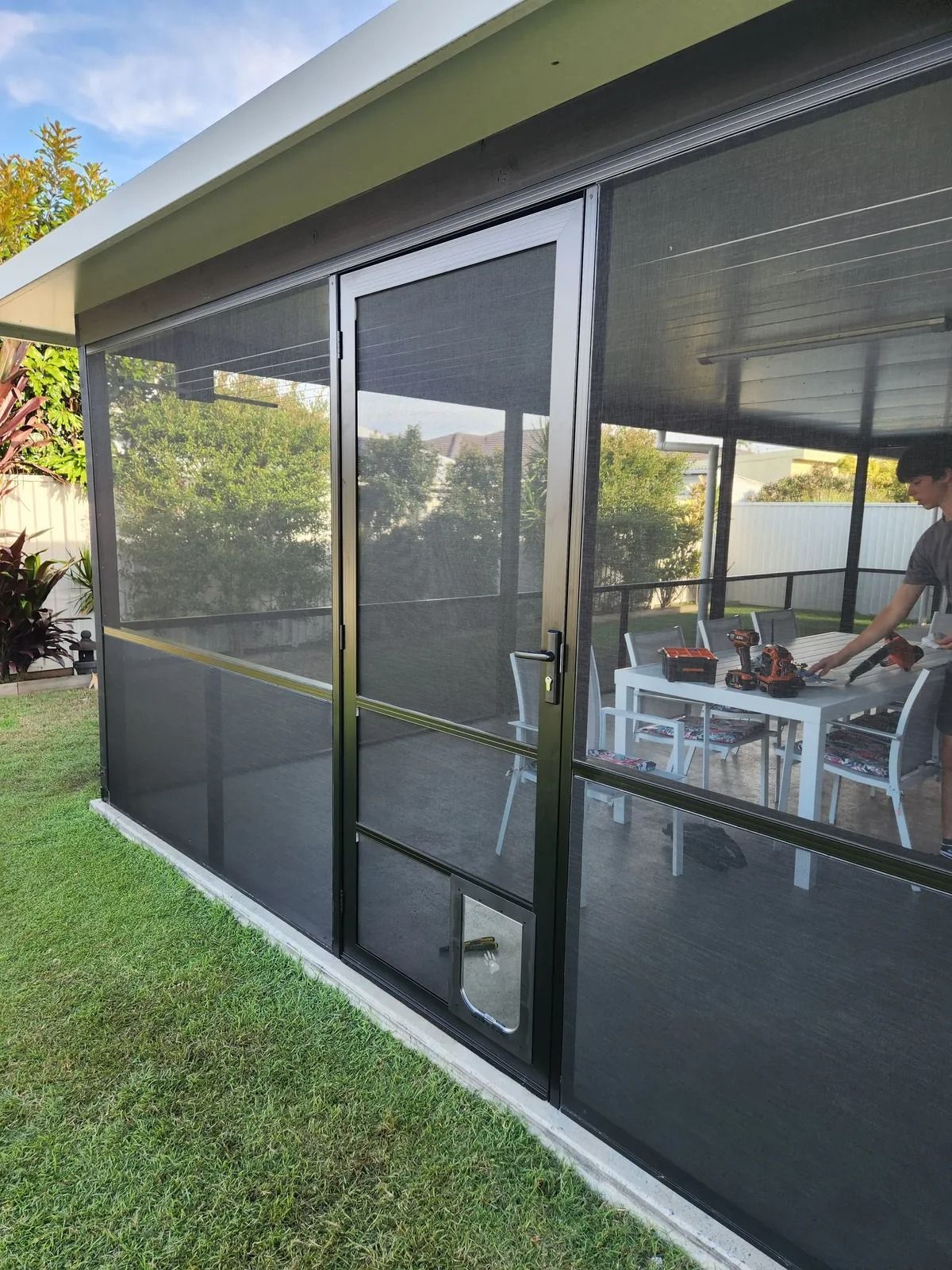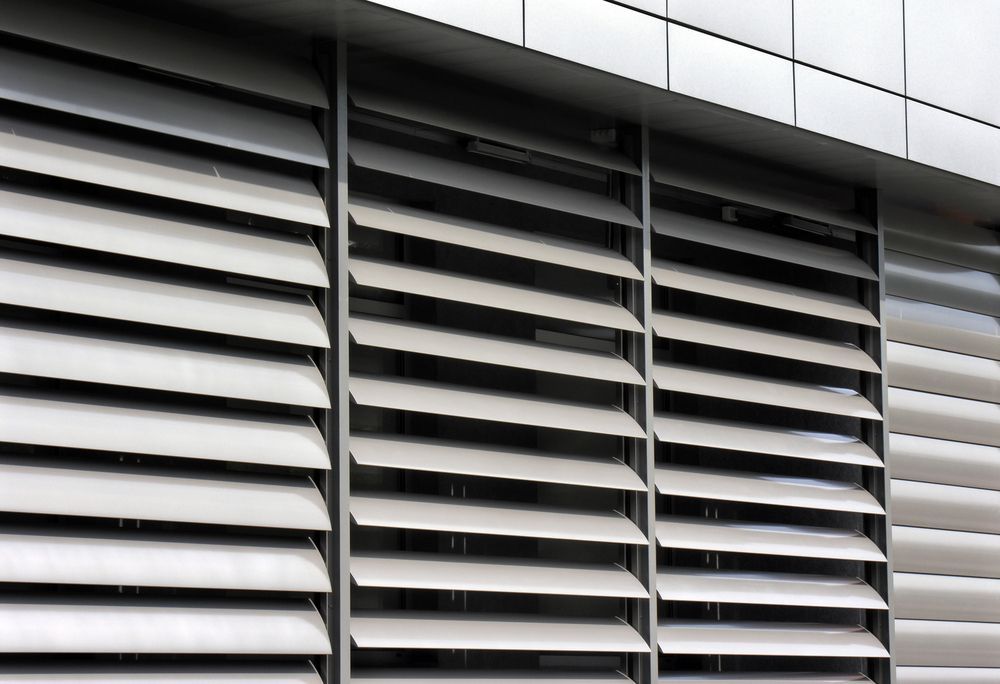
Latest Blind Trends In 2026 (Aussie & Ballina Styles)
Blinds have shifted from being a purely practical choice to a defining part of how Australian homes feel and function. In 2026, blind trends are being shaped less by overseas fashion cycles and more by how people really live. Light-filled interiors, relaxed coastal styling, and the need to manage heat and glare without shutting the house off completely are all driving design decisions.
For homeowners considering
blinds in Ballina, these trends are important for very practical reasons. Strong sunlight, salt in the air, humidity, and the desire to blur the line between inside and out all influence which blind styles make sense long term. The focus this year is on solutions that look good, feel easy to live with, and withstand coastal conditions without requiring constant upkeep.
Blinds That Work With Coastal Light, Not Against It
Natural light is one of the biggest drawcards of coastal living, but unmanaged sunlight can quickly make interiors uncomfortable. In 2026, blind trends are focused on filtering light rather than blocking it completely.
Modern blind designs aim to soften glare while maintaining spaces that are bright and open. This suits homes that rely on daylight for warmth and ambience but need control during peak sun hours.
Key features shaping this trend include:
- Light filtering fabrics that reduce glare without darkening rooms
- Neutral tones that reflect heat rather than absorbing it
- Layered blind options that allow flexibility throughout the day
These styles are popular because they adapt to changing light conditions while maintaining a calm, coastal aesthetic.
Moisture-Resistant Materials Are Now the Standard
Humidity and salt air influence blind choices more than ever. In 2026, materials that cope well with moisture are no longer a niche option. They are the expectation.
Blinds designed for coastal environments prioritise durability without compromising appearance. Homeowners are choosing finishes that resist warping, fading, and mould growth.
Material trends include:
- Aluminium and PVC blinds for wet or high humidity areas
- Treated fabrics designed to withstand moisture exposure
- Smooth finishes that are easy to clean and maintain
The best blinds for coastal homes are often those that quietly blend in with the environment without drawing attention to themselves.
Clean Lines Are Replacing Heavy Window Treatments
Visual simplicity remains a dominant trend in Australian interiors. Heavy drapery and bulky window coverings are giving way to streamlined blind designs that feel lighter and more contemporary.
In 2026, blinds are chosen to complement architecture rather than compete with it. This works particularly well in homes that prioritise open layouts and indoor-outdoor flow.
Design shifts include:
- Slim profile roller and panel blinds
- Recessed installations that sit flush with window frames
- Minimal hardware with subtle finishes
These styles suit relaxed coastal homes where the focus is on space, light, and comfort rather than decoration. The result is a more balanced interior that feels considered without feeling styled.
Texture Is Taking Centre Stage
While colour palettes remain fairly restrained, texture is where personality comes through. In 2026, blind trends lean into tactile finishes that add depth without overwhelming a space.
Textured blinds bring warmth and softness, which balances the clean lines seen in modern coastal homes.
Popular texture-driven choices include:
- Woven look fabrics that echo natural materials
- Soft matte finishes rather than glossy surfaces
- Subtle patterning that adds interest up close
These blinds often feel like the best blinds for homeowners who want character without visual clutter, adding warmth and depth without overpowering coastal interiors.
Smart Blinds Are Becoming More Practical Than Novel
Automation is no longer about novelty. In 2026, smart blinds are valued for their ability to improve comfort and energy efficiency.
Motorised blind systems allow users to manage light and heat throughout the day with minimal effort. This is especially useful in homes with large windows or high ceilings.
Functional benefits driving adoption include:
- Timed opening and closing to manage heat
- Reduced wear from manual handling
- Easier operation for hard-to-reach windows
Smart blind options are increasingly designed to blend into interiors rather than stand out, supporting comfort and efficiency without changing the look or feel of the space.
Indoor Outdoor Living Is Influencing Blind Design
Australian homes continue to prioritise indoor-outdoor flow. In 2026, blind trends reflect this by focusing on continuity between internal and external spaces.
Blinds are being selected not just for individual rooms, but for how they work across adjoining areas.
This shows up in:
- Matching or complementary blind styles across sliding doors and windows
- Solutions that transition smoothly between interior blinds and outdoor shading
- Designs that maintain views while offering privacy when needed
These choices support the relaxed lifestyle many coastal homeowners value. They help maintain visual continuity between indoor rooms and outdoor areas without overcomplicating the design.
Privacy Without Closing the House In
Privacy remains important, but the approach has changed. Rather than fully enclosing spaces, 2026 blind trends focus on selective screening.
Homeowners are choosing blinds that allow visibility out while limiting visibility in. This is particularly relevant in residential areas where homes sit close together.
Design features supporting this include:
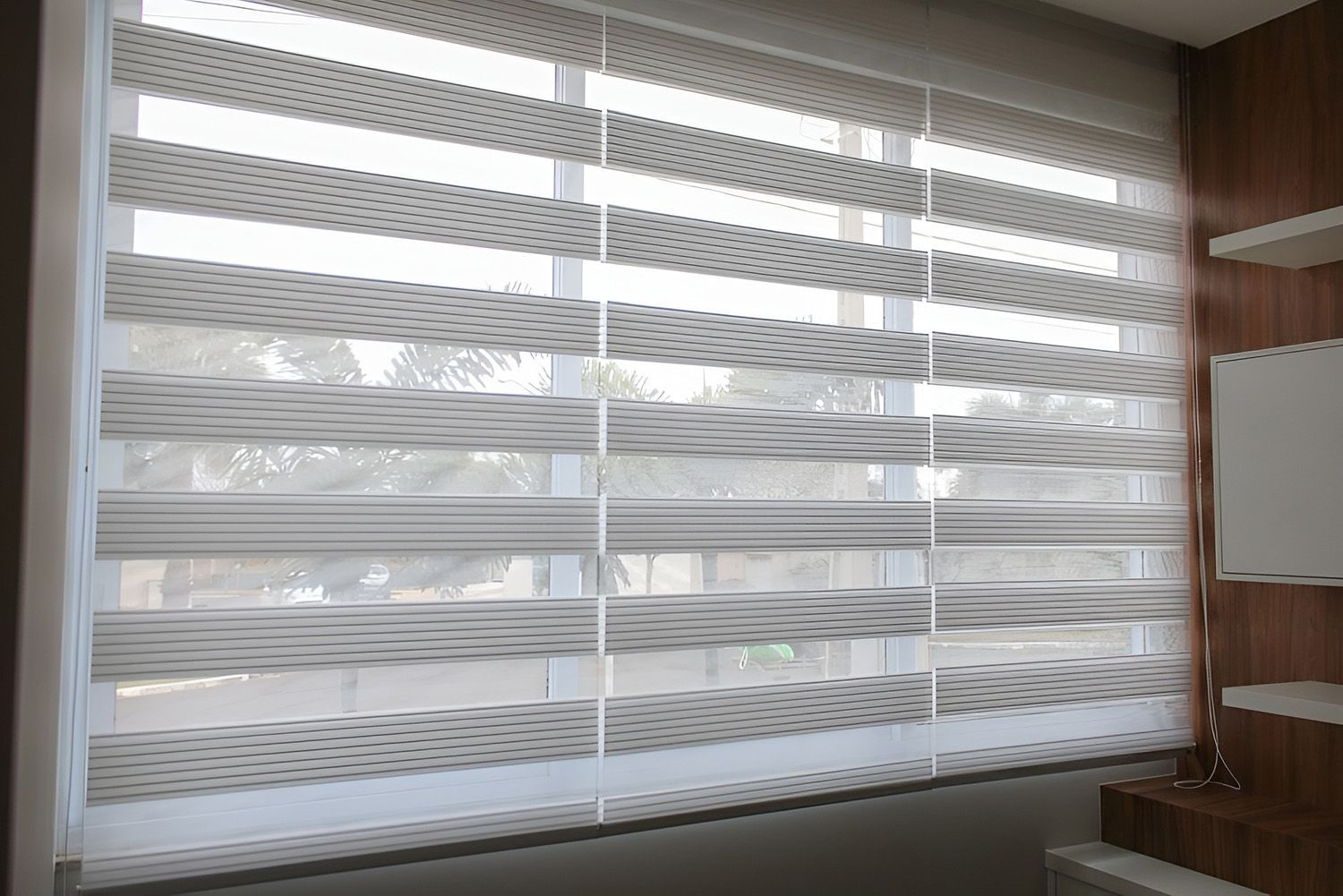
- Sheer and dual blind systems
- Adjustable slats for precise control
- Layered installations that adapt to the time of day
The best blinds in this context are often those that offer options rather than fixed outcomes. This flexibility allows homeowners to adjust privacy levels as light conditions and daily routines change.
Custom Fit Is Favoured Over Off-the-Shelf
One of the strongest trends in 2026 is the move away from generic sizing. Custom-fit blinds are increasingly preferred for both appearance and performance.
A tailored fit improves insulation, light control, and overall finish. It also allows blind styles to be chosen specifically for window orientation and usage.
Benefits of custom-fit blinds include:
- Improved control over light and heat
- A cleaner, more integrated look
- Better long-term durability
For homeowners investing in blinds in Ballina, custom options often provide better value over time. They allow each window to be treated according to its orientation, size, and exposure to sunlight.
If you are exploring blind trends for 2026 and looking for blinds in Ballina that suit coastal conditions, Summerland Screens & Awnings can help you choose solutions that balance style, comfort, and durability. Based in Lake Macquarie, NSW, and working with local conditions in mind, the team offers tailored advice to match your home and lifestyle. Visit https://www.summerlandscreensandawnings.com.au/ to book a measure and quote today.